

14 Aug 5 things to consider when choosing an electric gate
things to consider when choosing an electric gate
Automated electric gates are one of the most versatile property improvement options around. Not only do they beautify and protect your property, but they also add value when it’s time to sell.
Along with their wide variety of benefits, electric gates are also available in many different designs, colours, finishes and automation options. They’re so customisable in fact that many people struggle to pick the right gate for their property.
Before you go looking for a reliable electric gate provider, it’s useful to get a clear idea of the gates you want. To help you make your decision, here are five important things to consider when buying an electric gate.
Top 5 questions to ask when choosing electric gates
1) What purpose will my electric gates serve?
Your choice of electric gates will partly depend on which of their benefits are most important to you. If you value your privacy, you might choose tall, solid gates. But if you want your property to remain visible as part of an overall aesthetic goal, shorter gates consisting of bars could be the way to go.
Another factor is who will use the gates once they’re installed. Will they only be used a few times a day, such as when going to and from work? Or will they be in constant use to welcome customers, clients and deliveries? Your answers will probably have an impact on the design and access options you choose.
While it’s not a hard and fast rule, many homeowners prefer elegantly designed hardwood swing gates that add a sense of class and grandeur to their property.
On the other end of the spectrum, business owners often choose simple yet powerful metal sliding gates that keep unwanted visitors from setting foot on their property.
AG Automation offers a bespoke design and fabrication service, we can help you achieve any combination of features to bring your dream gates to life.
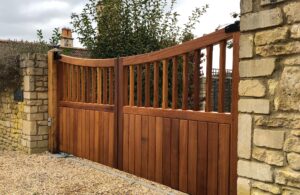
Iroko hardwood electric gates
2) Which opening mechanism should I choose?
There are three main types of opening mechanism for automated electric gates:
- Aboveground hydraulic motors: These heavy-duty operators are mounted to your gate posts and are ideal for high usage and commercial gates
- Aboveground electro-mechanical motors: A geared motor drives the mechanism to open and close your gates
- Underground motors: Similar to aboveground motors, but hidden underneath your driveway
Hydraulic rams are typically used to open heavy gates that can’t be moved by a smaller motor. They’re also a good choice for gates that see heavy traffic, as they’re designed to be much more durable.
Underground motors in particular are much more discreet, though the additional groundwork required to install them can increase cost.
3) How will people control my gates?
When it comes to operating your electric gates, most people choose some combination of these five access control systems:
- Remote transmitter fob: This small device features a button that you can click to open or close your electric gates remotely.
- GSM access control: The GSM intercom lets you and other authorised users control your electric gates with a smartphone app.
- Fixed external gate controls: These can include entry intercoms, keypads and other devices fitted just outside of the gate. They allow a visitor to announce their presence, letting you decide whether or not to welcome them inside.
- Fixed internal gate control: Mounted on a wall in your home offer a static location from which to control your gates without going outside
- Exit button: A button can be included on the inside of the gate to allow easy exit on foot.
Gates can also be fitted with timers that allow manual access at certain times of day. This is useful for deliveries or rubbish collection, or to make regular entry and exit more convenient.
4) In which direction do I want my gates to move?
The debate of sliding vs swing electric gates is usually decided by your available space. If you have limited space in your driveway or it’s on a slope, sliding gates are your best option. But if your driveway is narrow, swing gates are usually preferable.
However, some property owners h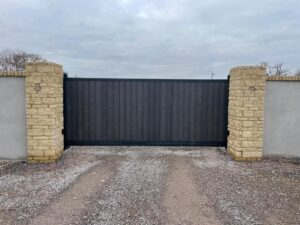 ave the luxury of choice, meaning they have plenty of other factors to consider. For example, sliding gates are more expensive and require more maintenance, but are a much better deterrent against break-ins. Swing gates, on the other hand, are cheaper and easier to maintain due to their simpler construction, but aren’t suitable for heavy gates due to the relative weakness of the pivot.
5) What materials and design would suit my property?
Automated electric gates come in a huge variety of designs, materials, colours and infill patterns – so many in fact that this decision could be your most time consuming.
When you discuss these factors with your electric gate specialist, it helps to have some examples of other electric gates that you like. Some questions to keep in mind while you’re researching electric gates include:
- What style of design would match my property (modern vs traditional)?
- What’s my local area like (busy residential area vs quiet countryside)?
- Which materials do I prefer (hardwood, Aluminium, Composite or metal electric gates)?
- What impression do I want to create with my gate (ornate vs minimalist)?
At AG Automation, we specialise in designing, fabricating and installing bespoke hardwood and metal gates in Hungerford, Berkshire and the surrounding areas.
Our hardwood gates use African Iroko wood, a high-density weather-resistant timber that can be stained, varnished or oiled to meet your taste.
All our Aluminium gates or sourced from high end bespoke aluminium gate fabricators in a variety of styles and colours.
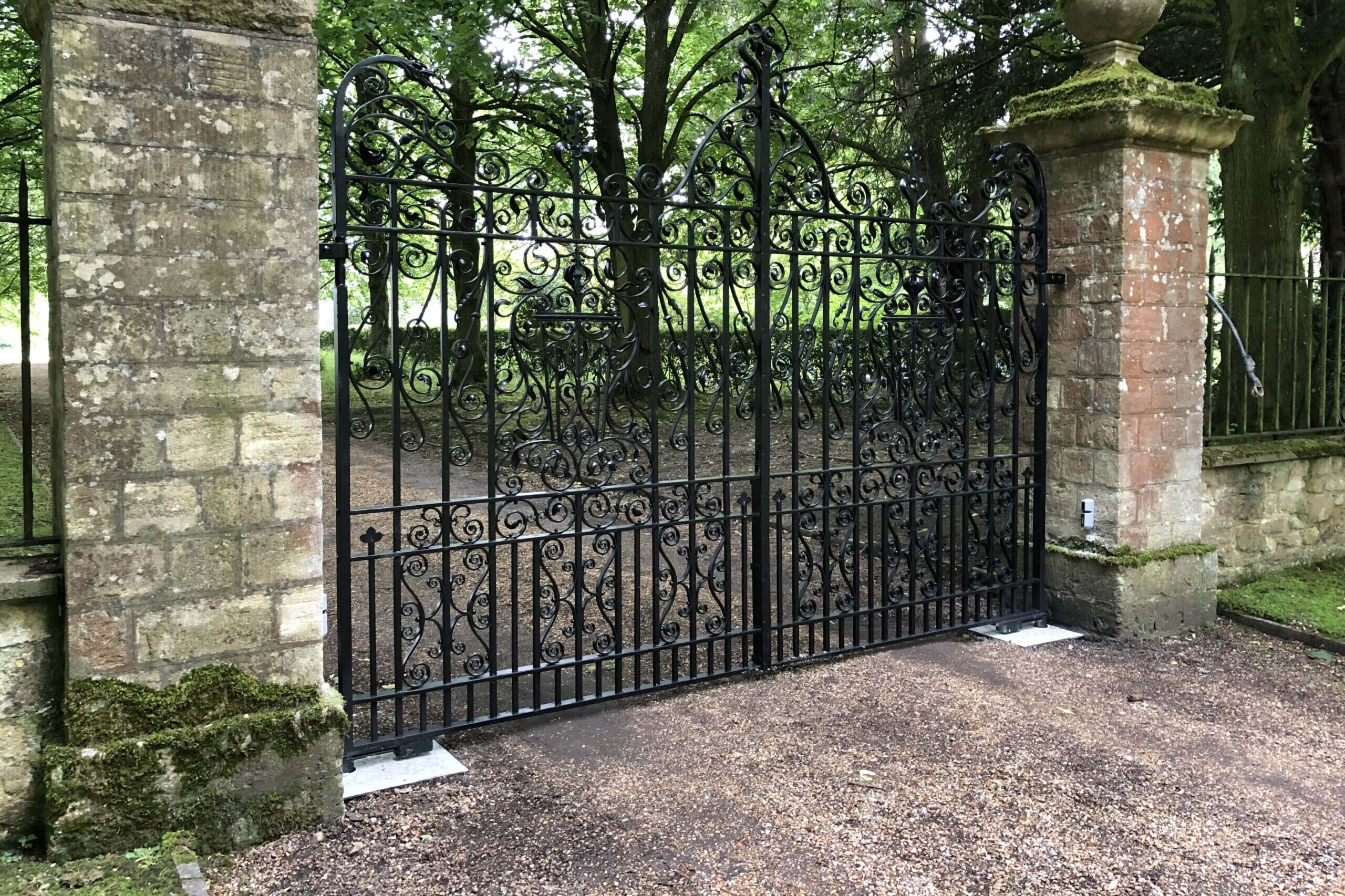
All our wrought iron metal gates are zinc primed and powder coated to give you a long-lasting, high-quality finish.
Once you have an idea of your perfect automated electric gate, get in touch with our friendly expert team to make it a reality.